

Coercive control is a form of abuse that is increasingly recognized under Australian law, and its implications can be profound in partner visa applications. Understanding this issue is crucial for anyone navigating the complex partner visa process, particularly if they are in or have escaped an abusive relationship. You can read more here.
What is Coercive Control?
Coercive control refers to a pattern of behaviour used by one partner to dominate and intimidate the other. Unlike physical violence, coercive control can involve emotional, financial, and psychological abuse. It often includes:
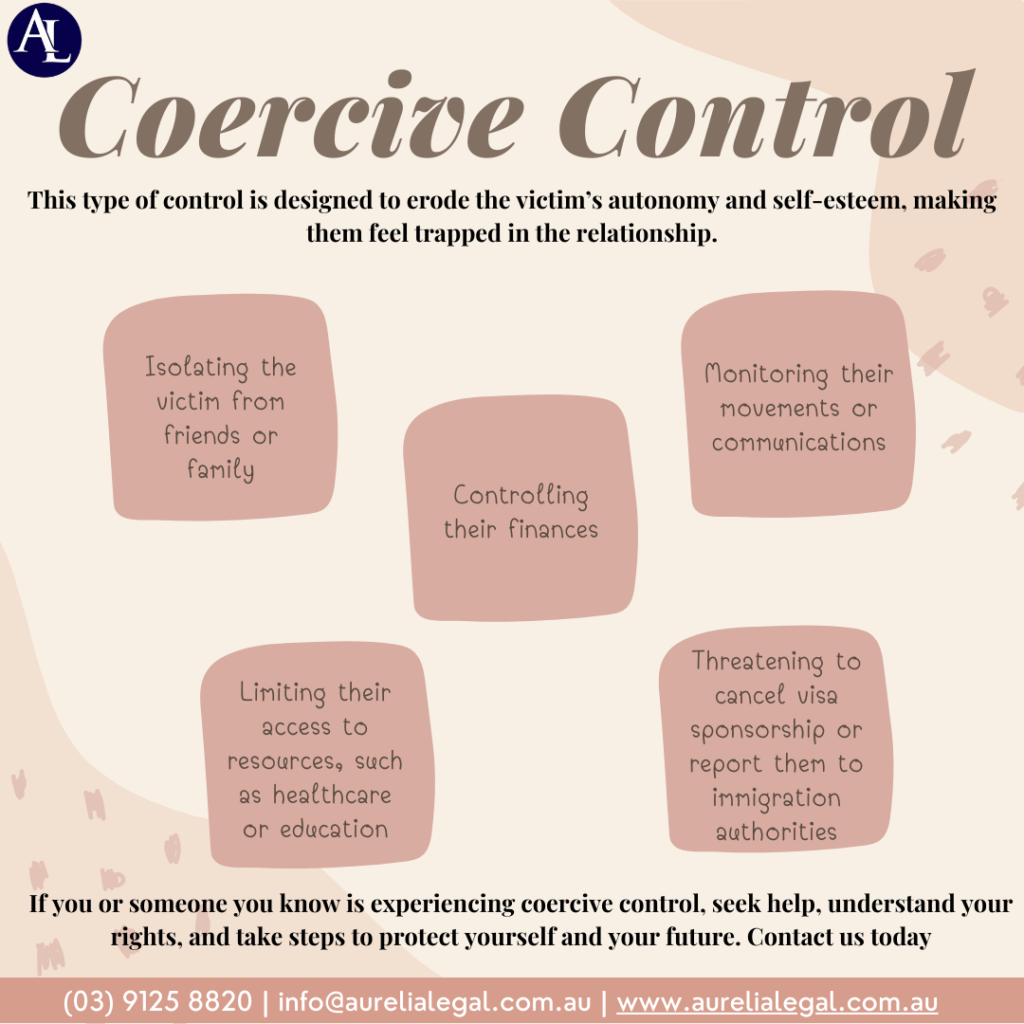
- Isolating the victim from friends or family
- Monitoring their movements or communications
- Controlling their finances
- Limiting their access to resources, such as healthcare or education
- Threatening to cancel visa sponsorship or report them to immigration authorities
- This type of control is designed to erode the victim’s autonomy and self-esteem, making them feel trapped in the relationship.
Coercive Control Under Australian Law
Australian law has taken significant steps to recognize coercive control as a form of domestic abuse. Several states, including New South Wales and Queensland, are introducing laws that criminalize coercive control, which is a step towards offering better protection for victims.
In the context of a partner visa, coercive control can be grounds for legal action. Under the Migration Regulations 1994, victims of family violence, including coercive control, can still pursue permanent residency, even if the relationship has broken down. If a visa applicant can demonstrate that they have experienced family violence, they may be eligible for specific protections.
Coercive Control’s Impact on Partner Visa Cases
- Threat of Visa Cancellation: Many victims of coercive control fear their partner will withdraw their sponsorship, leading to visa cancellation or deportation. This fear is often used as leverage by the abusive partner.
- Proof of Relationship Breakdown: When applying for a partner visa, the applicant is usually required to prove that the relationship is genuine and ongoing. In cases where the relationship has ended, victims may need to provide evidence of the abuse to continue their visa application. This can include police reports, restraining orders, or testimonies from friends and family.
- Access to Legal and Support Services: Victims of abuse may face difficulties accessing legal advice and support services due to isolation or financial control. However, free legal aid and domestic violence support services are available in most parts of Australia, providing advice on visa options and protection.
Seeking Help and Protection
If you are experiencing coercive control while applying for a partner visa, several options are available:
- Apply for a Family Violence Provision: If your partner has been abusive, you can still apply for permanent residency under the family violence provisions of the partner visa. This applies even if the relationship has ended.
- Seek Legal Aid: Legal aid organizations can provide advice and representation for victims of family violence. They can guide you through the visa process and help you gather the necessary evidence.
- Access Support Services: Reach out to domestic violence organizations, such as 1800RESPECT, for confidential advice, safety planning, and counseling.
Conclusion
Understanding coercive control and its impact on partner visa applications is essential for anyone in an abusive relationship. Australia’s legal framework offers protections to ensure victims can escape abusive situations and still pursue their right to permanent residency. If you or someone you know is experiencing abuse, seek help, understand your rights, and take steps to protect yourself and your future.
At Aurelia Legal, our team of experienced migration lawyers is here to guide you through your visa options with care and professionalism. We are committed to helping you find the best path forward, ensuring your rights and safety are protected. If you or someone you know is dealing with immigration issues related to family violence, reach out to us today for personalized legal advice. Our compassionate lawyers are ready to assist you through every step of the process.
Contact us at +61 3 9125 8820 or info@aurelialegal.com.au
DISCLAIMER: This blog is for general information only. Legislation may change from time to time. Please refer to the latest legislation for current details.