
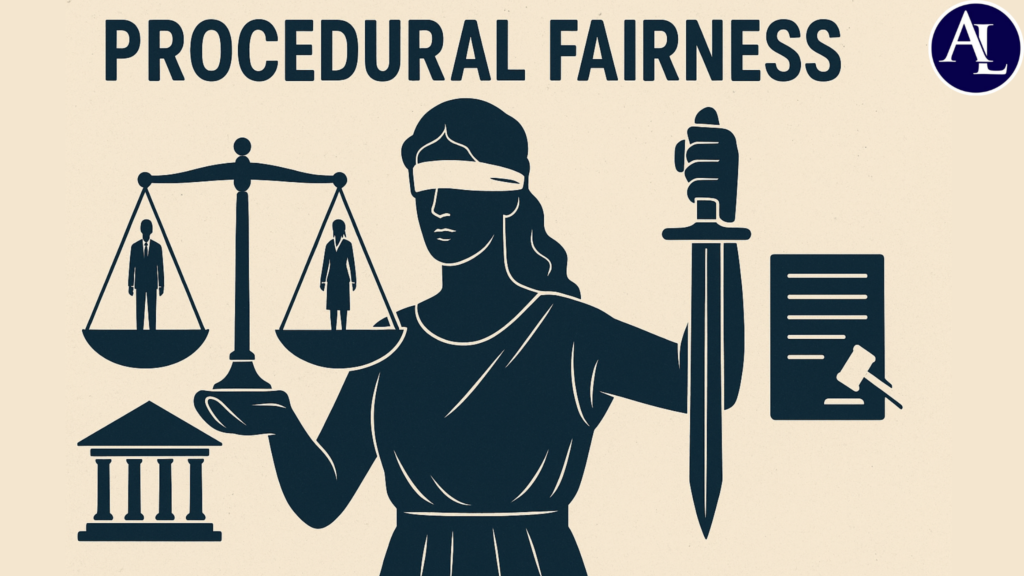
In Australian immigration law, procedural fairness (also known as natural justice) is a fundamental right that ensures decisions are made by fair and transparent processes, not arbitrary or biased ones. A breach of procedural fairness can render a visa decision invalid (a jurisdictional error), exposing it to successful challenge. This blog explains what procedural fairness involves in the Department of Home Affairs context, how it applies in tribunal appeals (ART), and how failures in procedure have led to overturned visa refusals in cases like Minister for Immigration v Bhardwaj and Wei v Minister for Immigration.
What is Procedural Fairness?
Procedural fairness requires that anyone affected by a decision has a genuine opportunity to know the case against them and to respond. In practice, this typically means:
- Notice of the case: If the department considers adverse information, the applicant must be informed of the issue.
- Opportunity to respond: The applicant should be given time and information to address that material before a final decision.
- Access to reasons or evidence: Applicants generally have a right to see the evidence or documents relied on.
- No bias: The decision-maker must be impartial and not have a closed mind.
These elements stem from common law principles, and the Department of Home Affairs policy also embeds fairness. Under the Migration Act’s Code of Procedure, visa delegates must handle applications “fairly, efficiently and quickly”. In practice, this means considering all relevant information and often giving applicants a chance to explain adverse findings.
Procedural Fairness in Department of Home Affairs Decisions
When Home Affairs assesses a visa application or cancellation, procedural fairness requires that applicants are given a fair chance to respond to adverse information. This includes disclosing any concerns—such as false documents or character issues—and properly considering any new evidence provided. Decision-makers must not rely on undisclosed or untested material. If these procedural steps are ignored, the resulting visa refusal may be found unlawful and overturned on review.
Procedural Fairness in Migration Tribunal Reviews
Applicants who are refused visas generally have visa appeal rights to an independent tribunal. The tribunal considers the facts afresh, but they still must adhere to procedural fairness.
Key elements of tribunal procedural fairness:
- Parties must be notified of all evidence and legal arguments (so they can respond).
- Each side has the chance to present witnesses, documents, and legal submissions.
- No undisclosed adverse evidence is relied on.
- Tribunal members must act without bias (no conflicts or pre-judgment).
If these obligations are not met, the tribunal’s decision can be set aside on appeal in the courts. Overall, visa appeal rights mean little if the review process itself is unfair.
Breaches of Fairness and Jurisdictional Error
Under Australian administrative law, a serious breach of procedural fairness—such as denying an applicant the right to be heard—amounts to a jurisdictional error. This renders the decision legally void, as the decision-maker has exceeded their lawful authority. A well-known articulation of this principle is in Minister for Immigration v Bhardwaj (2002). In this case, the High Court confirmed that such flawed decisions are “no decision at all” and must be remade. Therefore, procedural fairness is essential to lawful visa decision-making. Moreover, any failure to observe it can lead to the decision being overturned on judicial review.
Case Studies: Bhardwaj and Wei
Minister for Immigration v Bhardwaj [2002] HCA 11
In Bhardwaj, the Tribunal proceeded with a visa cancellation hearing despite not seeing a faxed adjournment request by the applicant. After learning of the request, it held a new hearing. The Minister claimed that the tribunal had no power to reopen the case, but the High Court ruled the original decision was invalid due to procedural unfairness. Since the initial process was flawed, there was no lawful decision, and the tribunal could validly rehear the matter. This case confirms that serious procedural unfairness voids a visa decision.
Wei v Minister for Immigration [2015] HCA 51
In Wei’s case, the Department cancelled his visa for non-enrolment without confirming this with the university, despite a legal duty to do so. The High Court found this failure to make a necessary inquiry was a jurisdictional error. Because the delegate ignored a mandatory step and treated Wei unfairly, the cancellation was legally void. The Court overturned the decision, highlighting that skipping required procedures renders visa refusals invalid.
The Bhardwaj and Wei cases highlight how breaches of procedural fairness can invalidate visa decisions. In both cases, the High Court found jurisdictional error due to failures in the process. These rulings confirm that fair process is a legal requirement, not a formality, and decisions made without it can be overturned by the courts.
Key Takeaways
Procedural fairness is essential in Australian immigration law, ensuring that visa decisions and appeals are made through fair and transparent processes. If an applicant is denied this fairness, they may challenge the decision through appeal or judicial review. Unfair decisions can be overturned, as fairness is a legal requirement, not a formality. Understanding and asserting this right is key to protecting one’s interests in the migration system.