
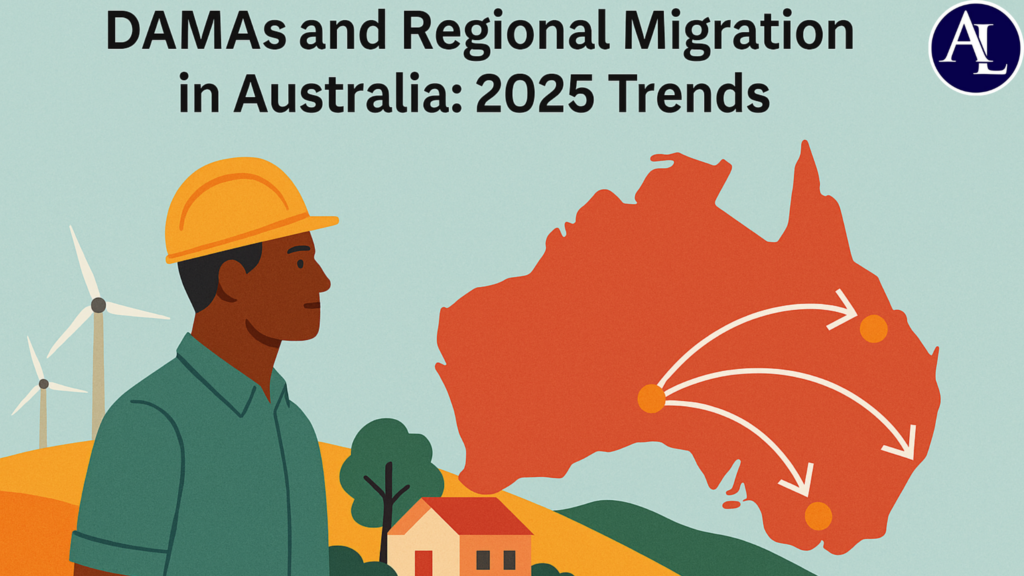
The combined impact of Designated Area Migration Agreements (DAMAs) and regional visa programs is highly visible in Australia’s 2025 migration patterns. One of the most notable shifts has been the decentralisation of skilled migrant settlement. More newcomers are choosing places like Adelaide, Darwin, Hobart, Townsville, and smaller rural hubs, rather than concentrating only in Sydney or Melbourne.
Government data from the current Migration Program shows that Regional and State-Nominated visa categories now make up 36% of the total permanent intake. This indicates a major share of skilled migrants are choosing, or being steered, to locations outside the biggest cities. This is deliberate, with policymakers aiming to relieve population pressure in the capitals while bolstering regional economies.
For migrants, this shift has opened up pathways that might not have existed before, effectively expanding the pool of opportunities.
Regional Employers Using New Pathways
Regional employers now have more options to address skill shortages through targeted migration programs. Key visas include:
- Subclass 491: Skilled Work Regional (Provisional) visa, for points-tested applicants nominated by a state or territory.
- Subclass 494: Employer Sponsored Regional visa, for skilled workers with a regional job offer.
- Subclass 191: Permanent Residence visa, for those who have lived and worked regionally on eligible visas.
In the past, many businesses in country towns gave up on recruiting internationally because visa pathways were too limited. Today, Designated Area Migration Agreements (DAMAs) and regional sponsorship streams make it much easier to bring in overseas talent.
Small and medium enterprises across many industries are taking advantage of these options. For example, meat processing plants in Queensland and tech startups in South Australia are actively sponsoring overseas workers. The Northern Territory has been a leader in using DAMAs since 2015 and, in March 2025, launched DAMA III, which expanded the program to cover 325 occupations and up to 1,500 places per year.
Western Australia followed with a new statewide DAMA in July 2024, allowing up to 5,000 overseas workers each year, split between Perth and regional areas. This is already helping fill critical workforce gaps and support regional growth.
Practical Guidance for Migrants and Employers
If you are considering a DAMA or regional visa, here are some key steps and resources to help you get started:
1. Check if a DAMA Applies to Your Occupation
- Each DAMA has its own list of eligible occupations.
- You can find up-to-date occupation lists and concessions here:
2. Review State Nomination Criteria
- If applying for a Subclass 491 visa, check the nomination requirements for your chosen state or territory:
3. Understand Sponsorship Steps for Employers
- Employers interested in sponsoring a worker under a DAMA must:
- Apply to the Designated Area Representative (DAR) for endorsement.
- Enter into a Labour Agreement with the Department of Home Affairs.
- Nominate the overseas worker for the relevant visa.
- Ensure all employment conditions comply with DAMA requirements, including the minimum salary (TSMIT) and relevant concessions.
Influencing Migrant Decisions Before Arrival
The availability of these programs is also shaping migrant choices before they even arrive in Australia. Prospective skilled migrants are increasingly researching which regions have DAMA arrangements or favourable nomination criteria, then tailoring their plans accordingly.
For example, a chef might learn that the Orana DAMA in New South Wales is actively seeking cooks and offers a pathway to permanent residency with concessions. As a result, they may target that region when applying for jobs. Similarly, an engineer might see that Tasmania and South Australia have more relaxed points requirements for 491 visa nomination and adjust their plans to focus on those options.
In effect, Australia’s regional migration initiatives are influencing the distribution of global talent across the country. If this trend continues, the skills base of Australia’s migrant population will spread more evenly. Over time, this could lead to positive outcomes such as regional skill transfer, community growth, and population rejuvenation in areas that have previously been stagnant.
Conclusion
In 2025, regional migration is no longer just a policy buzzword, it is a reality reshaping Australia’s skilled workforce. Through targeted visas and Designated Area Migration Agreements, Australia is directing talent to where it is needed most.
Prospective migrants willing to venture beyond the big cities are finding more opportunities and support than ever, including extra points, faster processing, and community incentives. Regional employers, once limited by skill shortages, now have tailored programs to bring in the workers they need.
This synergy of DAMAs and regional visa programs is creating a dynamic where both migrants and communities benefit. Migrants secure careers and pathways to residency, while regional Australia gains the skills and population growth it needs.
The government’s commitment, as seen in expanded quotas, new agreements, and continued policy reviews, signals that this trend will only strengthen in the years ahead. As we look beyond 2025, skilled migration in Australia may well be defined not just by who we welcome, but where we ask them to call home.
Ready to Migrate to Australia?
📞 (03) 9125 8820
✉️ info@aurelialegal.com.au
🌐 www.aurelialegal.com.au
Disclaimer: This article is for general information only and does not constitute legal advice. Visa criteria, policy, and processing times are subject to change. Please consult a registered migration agent or legal practitioner for advice specific to your situation.