
Overstaying your visa in Australia is a serious issue that can result in significant legal consequences. In this blog post, we’ll explain what constitutes a visa overstay, explore the potential consequences, and outline the steps you should take if you find yourself in this situation.
What Counts as Overstaying a Visa in Australia?
Simply put, overstaying means staying in Australia after your visa expires. Even overstaying by a day makes you an “unlawful non-citizen” under Australian law. There is no grace period, so it is vital to monitor your visa expiry date to avoid serious consequences.
Consequences of Overstaying Your Visa
Overstaying your visa in Australia triggers several serious legal consequences. Once you become an unlawful non-citizen, you may be subject to the following:
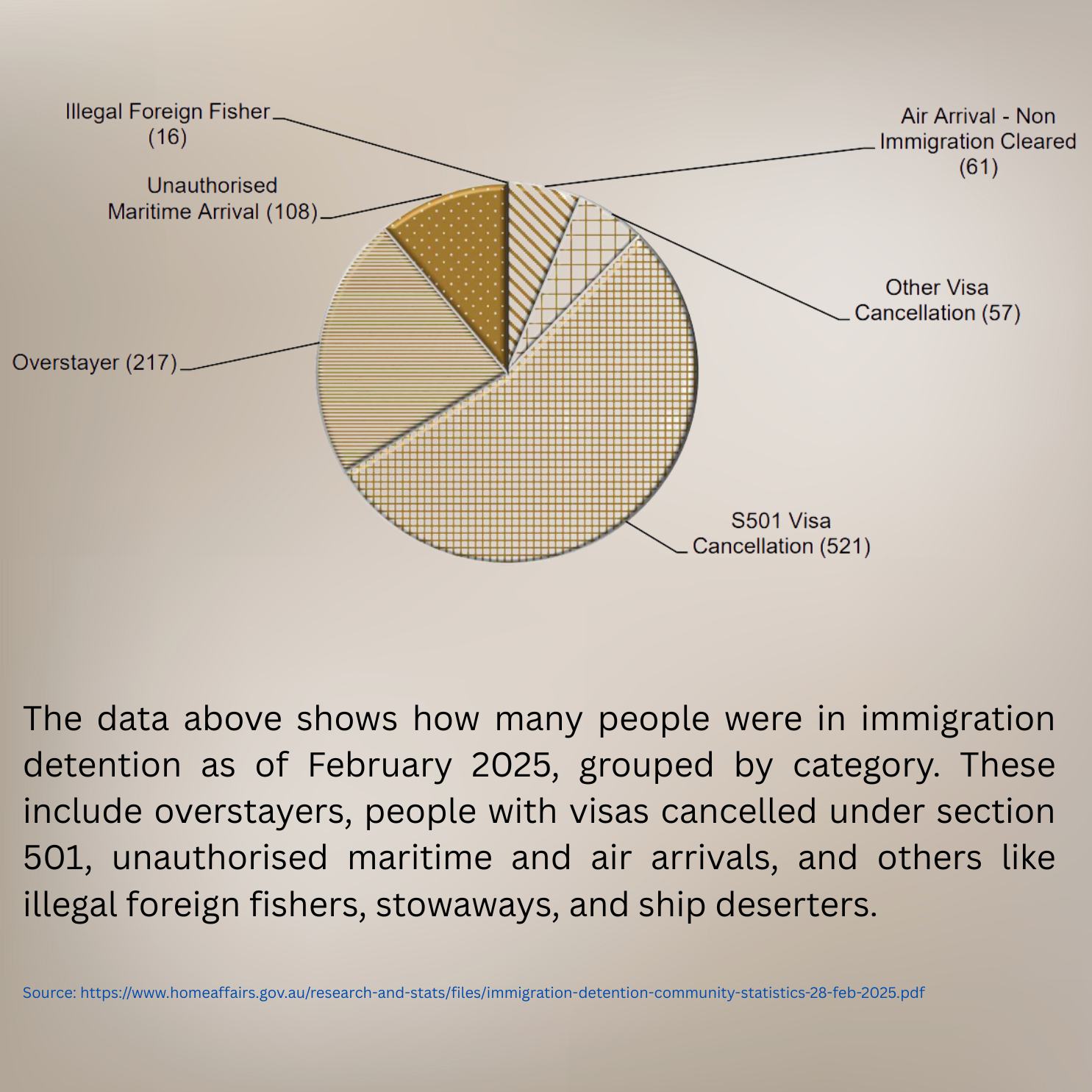
- Immigration detention and deportation: The Department of Home Affairs can detain and deport non-citizens without a valid visa. You may be held in immigration detention until you’re returned to your home country.
- Future visa issues and re-entry bans: Overstaying affects your immigration record and can make future visa approvals harder. A long overstay may trigger a 3-year re-entry ban. Even without a ban, it can still lead to visa refusals.
- Financial and other penalties: If you overstay, you may face costs or penalties. For example, if you’re deported, you could be required to repay the cost of detention and airfare. Unpaid debts to the Australian government can lead to future visa refusals.
What to Do if You Have Overstayed Your Visa
Realising you’ve overstayed your visa in Australia can be overwhelming, but it’s important not to panic. Acting promptly and taking the right steps can help you resolve your immigration status and potentially avoid serious consequences. Here’s a practical guide on what to do if your visa has expired while you’re still in Australia.
1. Understand Your Visa Conditions
Check your visa grant notice for conditions like 8503 – “No Further Stay.” This stops you from applying for most other visas while in Australia. If it applies and you don’t have a waiver, you must leave before your visa expires. Knowing your conditions helps you plan and stay compliant.
2. Take Action Before Your Visa Expires
If your visa is still valid, act quickly. Apply for a new visa through your ImmiAccount before it expires. This usually grants you a Bridging Visa A (BVA), keeping you lawful while your application is processed. Don’t leave it too late—delays can make you unlawful and at risk of detention.
3. Seek Professional Migration Advice
If your visa has expired, consult a registered migration agent or immigration lawyer immediately. They can assess your situation and advise whether to apply for a new visa or plan your departure. They may also contact the Department of Home Affairs on your behalf, which is helpful if you’re worried about enforcement action.
4. Apply for a Bridging Visa E (BVE)
If you’ve overstayed and don’t have another visa application pending, you should inform the Department of Home Affairs of your situation and apply for a Bridging Visa E (BVE). This short-term visa allows you to stay in Australia legally while you organise your departure or resolve your immigration status. You can apply for a BVE online through ImmiAccount, and the fee is waived. Having a valid visa—even a temporary one—prevents you from being detained and gives you time to plan.
5. Arrange to Leave Australia Voluntarily
In most overstay cases, voluntary departure is the safest and most favourable option. Once you secure a BVE, make travel arrangements to leave Australia as soon as possible. Leaving on your own may reduce the severity or length of any re-entry ban and demonstrate compliance with immigration laws. If you believe you have valid grounds to remain, such as humanitarian reasons, speak to your migration advisor before taking any action.
6. Explore Support Options for Departure
If you’re facing financial hardship or need assistance returning home, several support programs are available:
- Your home country’s embassy or High Commission in Australia may help with emergency travel documents or logistics.
- The Return and Reintegration Assistance Program (RRAP) offers travel support and personalised caseworker guidance to help ensure a safe, smooth, and dignified return to your home country.
Final Thoughts
Overstaying a visa in Australia is serious, but manageable with prompt action. Acting quickly—such as applying for a Bridging Visa E or leaving voluntarily—can help you avoid detention or bans. Authorities favour voluntary compliance, so genuine efforts to follow the law can improve your outcome.
Navigating the visa system can be complex, but you do not have to do it alone.
Contact Us Today
Phone: +61 3 9021 9880
Email: info@aurelialegal.com.au
Website: www.aurelialegal.com.au
DISCLAIMER: This blog is for general information only. Legislation may change from time to time. Please refer to the latest legislation for current details.